


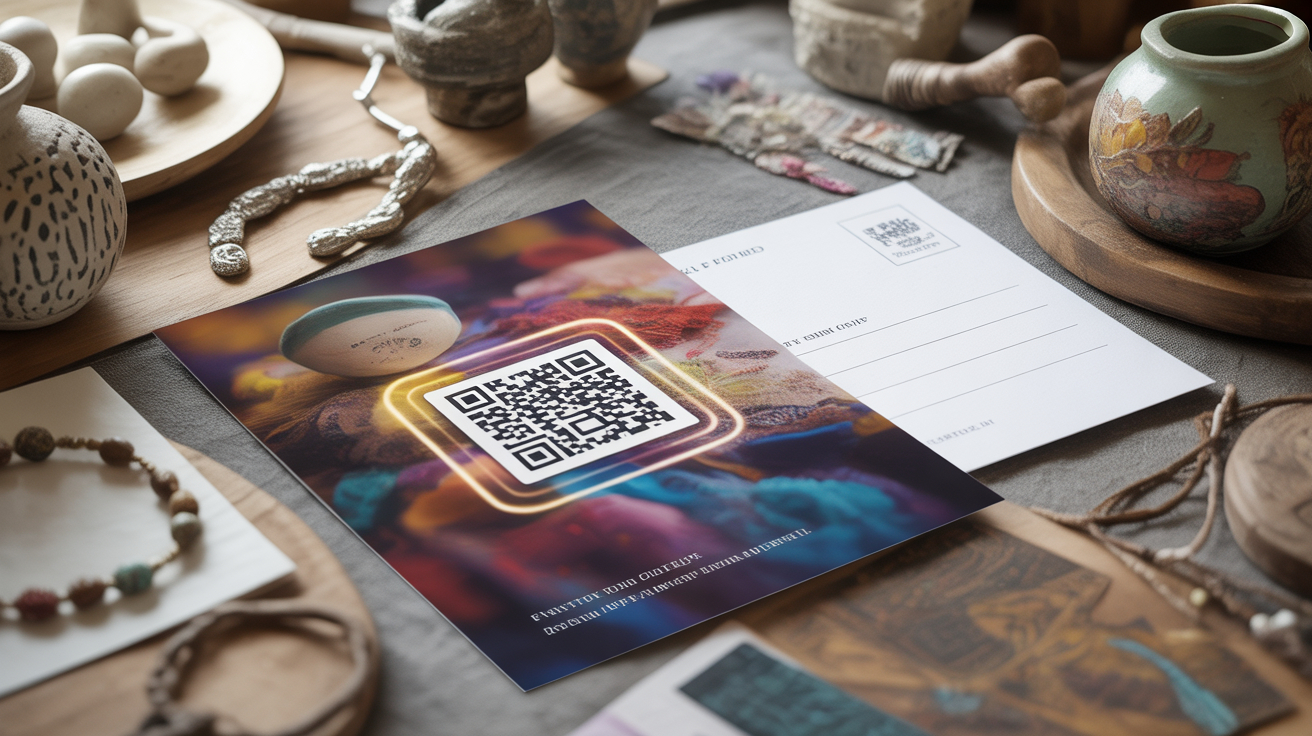
QR codes have become a familiar presence in our daily lives, appearing on everything from product packaging to magazine advertisements. Their value extends beyond mere convenience; they bridge the gap between print and digital by directing users to online content instantly. However, the potential of combining QR codes with print marketing often goes underutilized. By understanding how to implement QR codes thoughtfully, you can create more dynamic, engaging experiences that resonate with your audience.
Enhancing Engagement with QR Codes
One of the most compelling reasons to integrate QR codes into your print marketing is the potential to enhance engagement. Traditional print materials can sometimes leave readers passive, but QR codes invite interaction. They provide an immediate call to action that can lead to unique online content, exclusive offers, or interactive experiences.
Consider a local cafe that includes a QR code on their takeout menus. Scanning the code could take customers to a page showcasing loyalty program details or seasonal promotions. Such an approach not only incentivizes immediate interaction but also encourages repeat business and deeper relationships with customers. It’s about offering value that extends beyond what a printed piece can deliver alone.
Similarly, businesses can further personalise their interactions. Imagine a boutique clothing store providing QR codes on clothing tags that link to styling tips or videos of runway shows. This type of content not only engages but can enhance the shopping experience significantly. How could you use QR codes to add an interactive element to your existing print collateral?
Streamlining Information with QR Codes
Print materials can often get cluttered with too much information. Using QR codes can streamline what you present on-the-page while still providing access to valuable content. This technique is incredibly effective for brochures, flyers, and business cards.
For example, a real estate agent can include a QR code on their property flyers that links to a virtual tour of the home. Instead of trying to convey every property detail in text, a simple scan allows interested buyers to explore at their leisure. This not only saves space but also creates a more engaging interaction with the property itself.
Moreover, businesses can use this strategy to provide updates or change information without needing to reprint materials constantly. A restaurant, for instance, can link QR codes to daily specials or updated menus. This flexibility means you can provide fresh content easily. Have you thought about which pieces of your printed materials could benefit from simplified information flow using QR codes?
Tracking Engagement and Metrics
Another significant advantage of using QR codes in print marketing is the ability to track engagement. Unlike static print materials, QR codes can provide invaluable insights into customer behavior and preferences. By using different codes for various campaigns or formats, you can gather data on how customers engage with each piece.
For instance, a promotional flyer distributing two QR codes—one linking to a discount offer and another directing readers to a newsletter sign-up—provides clear metrics on what draws more attention. By analyzing these insights, you can refine your marketing strategies, focusing on what truly resonates with your audience.
This data-driven approach helps tailor future campaigns more effectively. Are you currently measuring the effectiveness of your print marketing strategies? What insights could QR codes provide you to enhance that understanding?
Creating Accessibility with QR Codes
Accessibility is an essential aspect of modern marketing, and QR codes can play a significant role in this. They allow users to access information in their preferred format. For people with disabilities, QR codes can link to content designed to be accessible, such as audio descriptions or high-contrast text files.
A community center could place QR codes on printed materials for events that lead to videos with sign language interpreters. This ensures that all community members can engage with their programs fully, showcasing an inclusive approach that can enhance image and loyalty.
When considering accessibility options, it may help to consult with community members to ensure that the linked content meets their needs. How could your organization improve its accessibility with QR code technology?
Driving Social Media Engagement with QR Codes
Linking QR codes to social media platforms is a powerful way to drive engagement. Social media is integral to modern marketing strategies, and QR codes can serve as a bridge to that online presence. Including a QR code on print materials can help direct customers to platforms where they can engage more with your brand.
By simply scanning a code on a business card or flyer, customers could follow your social media accounts. For instance, a local artist showcasing their work may choose to include a QR code linking directly to their Instagram profile, encouraging followers to engage with their latest creations.
Additionally, codes could direct users to contests or promotional events hosted on social media, creating an interactive experience that motivates action. Have you considered how QR codes could link your printed materials to your social media presence?
Integrating with Link Management Platforms
Using a link management platform such as Linkx.ee can streamline this entire process further. When you generate QR codes linked to smart links, you have the flexibility to change the destination at any time without needing to reprint materials. This means that if you update promotions or change event details, the QR code remains valid.
Your analytics through link management platforms can also provide crucial insights into how your audience interacts with your print marketing. For example, you can track how many times the QR code has been scanned, providing data on reach and engagement effectiveness.
Do you have the tools in place to adapt your QR code strategy as needed? What insights would be valuable to monitor from a link management perspective?
Real-World Case Studies
Exploring real-world examples can shed light on how effectively QR codes can transform print marketing. One notable case is Coca-Cola's “Share a Coke” campaign. The beverage giant included QR codes on bottles that directed users to personalized experiences and social media engagement opportunities. Not only did this create a buzz, but it significantly increased interaction by connecting consumers to the brand in fun, memorable ways.
Another example comes from the world of fashion. Luxury brands have begun integrating QR codes into their clothing tags. For instance, Burberry utilized the technology to link customers to runway shows, behind-the-scenes content, or even virtual fitting rooms. This decision enhanced customer experience while giving them a deeper connection to the brand, allowing for exploration of the product beyond the store's walls.
Such case studies remind us of the diverse applications of QR codes. What inspiration can you draw from these examples to enhance your own print marketing initiatives?
Best Practices for Implementing QR Codes
To maximize the effectiveness of QR codes in print marketing, it’s crucial to follow certain best practices. First, ensure that your QR codes are placed prominently where they can be easily scanned. Think about size and contrast against backgrounds; you want them to stand out.
The user experience matters too. Make sure that the link the QR code directs to is mobile-friendly. Nothing is more frustrating for a consumer than scanning a code only to land on a non-responsive page. Additionally, consider adding some context—a short caption or description—next to the QR code explaining what users can expect to find when they scan.
Testing your QR codes before printing is also essential. You want to ensure they work properly and lead to the intended destination. How do you currently address quality control in your marketing materials?
Future Trends with QR Codes
Looking ahead, QR codes are likely to evolve further in their capabilities. Advanced functionalities—like dynamic QR codes that can provide a different experience each time they are scanned—are emerging. This means that businesses can continually surprise and engage their audience without the hassle of physical reprints.
Integration with mobile wallets allows consumers to store QR codes alongside their payment methods, providing a seamless experience when making a purchase or accessing offers in-store. These trends pave the way for more immersive experiences that combine online and offline interactions.
As new technologies develop, consider how you can leverage QR codes in innovative ways to enhance engagement. What future possibilities excite you about integrating QR technology into your print marketing strategies?